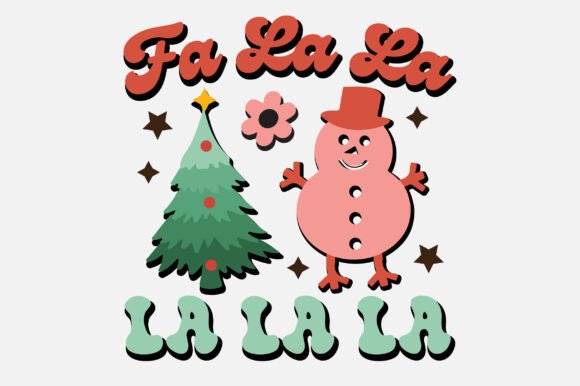
Fa La La La La La Retro Design Review
As a designer who spends more time than I care to admit staring at stitch charts and testing thread tension, I approach every new embroidery file with a healthy dose of skepticism. The market is flooded with generic clip art that looks beautiful on a screen but falls apart when pushed through an embroidery machine needle. That is why I decided to put the Fa La La La La La Retro Design through its paces before recommending it for your own craft business or personal projects. This isn't just about whether the design looks festive; it is about how it translates from a digital asset into a tangible, high-quality handmade product.
First Impressions: Mood and Visual Personality
The moment you open the package containing the Fa La La La La La Retro Design, the vibe hits you immediately. It captures a specific nostalgic energy that feels both playful and polished. The typography suggests a mid-century modern aesthetic, which has been incredibly popular in recent years for custom apparel and boutique branding. Unlike many holiday designs that rely on cluttered scenes with snowflakes, reindeer, and excessive sparkle, this design leans into clean lines and bold lettering.
For an Etsy seller or small shop owner, this clarity is a massive advantage. In a crowded marketplace, simplicity often sells better because it reads clearly even from a distance. The retro theme lends itself perfectly to holiday embroidery collections that aim for a sophisticated rather than kitschy look. It feels like something you would see on a vintage record sleeve or a classic diner menu, repurposed for modern stitching. The visual personality is confident, cheerful, and undeniably professional.
Real-World Application: From Screen to Stitch
I wanted to see how this machine embroidery design would perform in a real production scenario. My test case was a series of custom tote bags and sweatshirts intended for a local craft fair. These items are staples for any small business merchandise line during the winter season. When I transferred the files to my hoop, the layout proved surprisingly versatile.
On a heavy cotton canvas tote bag, the design held its structure beautifully. The bold nature of the text meant that even if the fabric had a slight weave texture, the stitch density remained clear and legible. However, the true test came when I moved to a fleece sweatshirt. Embroidering on knit fabrics requires careful handling to avoid puckering, and the balance of the Fa La La La La La Retro Design worked well here. It didn't overwhelm the garment but added a distinct focal point that elevated the perceived value of the finished product.
I also experimented with using this as a template for an embroidered patch. By trimming the excess background and adding a border, the design translated seamlessly into a detachable accessory. This adaptability is crucial for creative entrepreneurs who want to maximize the utility of their design assets. A single purchase can yield multiple product variations, from personalized gifts to standalone accessories.
Material Considerations and Fabric Texture
While the design is robust, it does have specific requirements regarding material choice. The retro style relies on crisp edges, so pairing it with highly textured fabrics like thick chenille or rough burlap might soften the details too much. For the best results, stick to smooth-to-medium weight fabrics such as jersey, poplin, or dense canvas. If you are working with dark fabric, you will need to pay close attention to your thread colors to ensure contrast remains sharp. A light cream or gold thread against a black background, for example, would highlight the retro aesthetic effectively.
Where Caution Is Required
No design is perfect for every situation, and being honest about limitations is part of responsible reviewing. There are certain scenarios where the Fa La La La La La Retro Design might struggle.
- Small Hoop Sizes: If you are attempting to stitch this on very small items like baby booties or tiny keychains, you may find the lettering becomes difficult to read. Always check the hoop size requirements before committing to a miniature project.
- Stretchy Fabrics: While it works on sweatshirts, extremely stretchy materials like spandex blends require heavy-duty stabilizers to prevent distortion. Without proper support, the letters could warp during washing.
- Dense Stitch Areas: If the design includes significant fill stitches, be mindful of fabric stiffness. On thin fabrics, dense areas can create a cardboard-like feel, which might not be desirable for comfortable wearables.
- Curved Surfaces: Attempting to stitch this directly onto the curved front of a baseball cap without a specialized hat frame can lead to misalignment. Plan your placement carefully.
Technical Breakdown and File Utility
The digital download provides a comprehensive suite of formats, including SVG, PNG, EPS, DXF, and AI files. This variety is excellent for versatility. The vector files (SVG, EPS, AI) allow for precise scaling and cutting if you plan to use vinyl overlays or applique techniques alongside the embroidery. The raster PNG file is useful for quick previews and printable mockups to showcase your products online before you even cut the first piece of fabric.
For those focused purely on stitching, the inclusion of standard embroidery-compatible formats ensures broad usability across different software platforms. However, since specific technical details like exact stitch counts or machine compatibility are not explicitly listed in the product summary, I strongly advise users to inspect the files in their preferred software before large-scale production. Confirming that the stitch density aligns with your machine’s capabilities will save you time and thread.
Impact on Brand and Customer Trust
In the world of handmade goods, presentation is everything. Using a cohesive, well-designed element like the Fa La La La La La Retro Design signals professionalism to your buyers. It suggests that you care about aesthetics and quality. When customers receive a personalized gift or a piece of custom apparel that features clean, intentional design work, their trust in your brand increases. They are more likely to leave positive reviews and return for future purchases.
Furthermore, the retro theme has a timeless appeal that transcends fleeting trends. This means your inventory won’t feel outdated after January 1st. You can easily pivot these designs for other seasons by changing the color palette or combining them with different motifs, extending the lifecycle of your digital embroidery file investment.
Final Verdict and Practical Tips
The Fa La La La La La Retro Design is a strong contender for anyone looking to add a touch of vintage charm to their embroidery project lineup. Its clean lines, nostalgic mood, and versatility make it suitable for a wide range of applications, from tote bag design to nursery decor.
To get the best results, remember these practical tips:
- Test First: Always stitch a sample on scrap fabric to check tension and thread contrast.
- Use Proper Stabilizer: Choose a stabilizer that matches the weight and stretch of your fabric to prevent puckering.
- Check Licensing: Before selling finished items, review the commercial use rights associated with the graphics and crafts category license.
- Mockup Early: Use the included digital files to create realistic previews for your Etsy listings or social media.
If you are an apparel decorator or a maker seeking reliable, stylish assets to enhance your offerings, this design delivers on its promise. It balances artistic flair with technical reliability, making it a valuable addition to your studio toolkit.