Retro Sasquatch Pine Tree Embroidery Review
As a designer who spends more time than I care to admit staring at stitch counts and fabric swatches, I approach every new machine embroidery design with a healthy dose of skepticism. The market is flooded with generic clipart that translates poorly into thread. However, when I first pulled up the files for the Retro Sasquatch Pine Tree, I paused. This isn’t just another clip-art monster; it has a distinct visual personality that suggests it was built with actual production in mind. In this review, I’m breaking down how this embroidery file performs in real-world scenarios, from Etsy shop inventory to custom client gifts.
First Impressions: Mood and Visual Personality
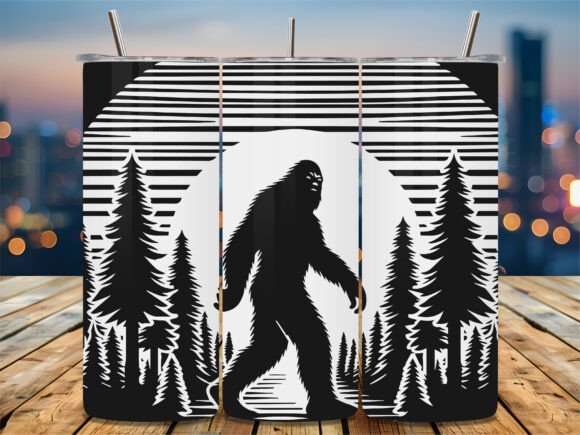
The moment you see the layout, the "retro" aspect hits hard. We are talking about a vintage, almost 1970s graphic novel aesthetic. The Sasquatch figure is stylized—less scary cryptozoology and more friendly, rustic folklore. Paired with the pine tree motif, the composition immediately evokes feelings of camping, national parks, and cabin life. For an embroidery project, this mood is incredibly valuable because it taps into a specific lifestyle niche.
From a design standpoint, the balance is excellent. The negative space is managed well, which means the eye knows exactly where to rest. It doesn’t feel cluttered. When I look at this as a potential handmade product, I don’t see a messy blob of thread; I see a clean, recognizable icon. This clarity is crucial for commercial embroidery because customers need to recognize the subject matter instantly, even from a distance at a craft fair or on a small mobile screen while browsing an online store.
Real-World Application: Where This Design Shines
I’ve tested various designs on different substrates, and the Retro Sasquatch Pine Tree finds its sweet spot in medium-to-large format applications. Here is how I envision this fitting into a practical workflow:
- Sweatshirt Embroidery: This is arguably the strongest use case. The retro theme pairs perfectly with heather grey or olive green fleece. Placing this on the chest of a crewneck sweatshirt creates an immediate custom apparel piece that feels authentic to the outdoorsy demographic.
- Tote Bag Design: Canvas totes are a staple for any Etsy seller. The bold lines of the Sasquatch translate beautifully onto heavy cotton canvas. It acts less like a decoration and more like a statement graphic, similar to a screen print but with added texture.
- Embroidered Patch: If you sell accessories, this design works exceptionally well as a standalone patch. You can add a simple border and attach it to beanies, backpacks, or denim jackets. The thick outlines typical of this style ensure the edges hold up well after washing.
- Kitchen and Home Decor: Don’t overlook the utility angle. A tea towel or a kitchen apron featuring this design adds a touch of whimsy to a functional item. It’s a great personalized gift option for someone who loves cooking but also loves the outdoors.
When I mock this up digitally, I imagine it on a baby onesie or a nursery pillow cover. The character is non-threatening and cute, making it suitable for baby embroidery projects where parents want something unique but not overly complex. The simplicity of the shapes ensures it doesn’t overwhelm smaller garments.
Technical Performance and Stitching Clarity
One of the biggest risks in digitizing a character-based design is losing detail in the stitching process. Fortunately, the Retro Sasquatch Pine Tree seems to rely on strong silhouettes rather than intricate shading. This is a smart choice for efficiency and durability.
In terms of stitch density, the design appears balanced. It uses enough fill stitch to provide opacity without being so dense that the fabric puckers excessively. This is vital for maintaining the shape of the garment over time. If you are using this for a finished product that will be washed frequently, such as a work shirt or a child’s outfit, the structural integrity of the stitches matters immensely.
I also paid attention to the satin stitch usage, particularly around the eyes and facial features. Clean satin stitches define the expression. If these were poorly executed, the Sasquatch would look blank or confused. As it stands, the expression reads clearly as cheerful and rugged. This level of detail builds customer trust because it signals that the creator cares about the final output quality.
Cautions and Considerations
No design is perfect for every situation, and honest reviewing requires pointing out where this might struggle. There are specific scenarios where the Retro Sasquatch Pine Tree needs careful handling:
- Small Hoop Sizes: While the design scales, cramming this level of detail into a tiny hoop (like a 3x3 inch area) can result in lost definition. The pine needles and facial features may merge into a dark mass if the scale is too small. Always check the hoop size requirements before finalizing your product listing.
- Textured and Stretchy Fabrics: Avoid placing this on highly textured fabrics like bouclé or very stretchy jersey knits without proper support. The stabilizer choice becomes critical here. On stretchy materials, the tension of the running stitch and fill areas can cause distortion, warping the roundness of the Sasquatch’s head.
- Dense Stitch Areas: Be mindful of the background elements. If the design includes heavy background fills, it can become stiff. For items like hats or caps, where flexibility is key, lighter fill densities are preferable.
- Dark Fabric Contrast: Thread color selection is paramount. On black or navy fabric, you will need light-colored threads for the main body of the Sasquatch to ensure visibility. Conversely, on white fabric, dark threads will pop. Test your thread colors against your actual fabric stock.
Practical Designer Notes for Production
Before you rush to list this as a small shop product, follow these practical steps to ensure professional results:
- Test on Scrap Fabric: Never go straight to the final garment. Run the digital embroidery file on a scrap piece of the same material to check for tension issues and thread breaks.
- Inspect Small Details: Zoom in on your monitor and inspect the smallest details. Are the eyes clear? Is the fur texture readable? If it looks muddy on screen, it will likely look muddy on fabric.
- Black and White Mockups: Convert your design preview to grayscale. This helps you assess the contrast and value distribution without the distraction of color. Good value separation ensures the design remains legible regardless of the thread palette.
- Licensing Verification: Since this is intended for craft business use, double-check the license terms. Ensure you have the right to sell finished goods made with this design. Some graphics licenses restrict commercial resale, so protecting your intellectual property and legal standing is essential.
- Stabilizer Selection: Use a cut-away stabilizer for woven fabrics like denim or canvas to prevent shifting. For knits, a tear-away or wash-away might suffice depending on the weight of the garment.
Final Verdict
The Retro Sasquatch Pine Tree is a robust, versatile addition to any digitizer’s library. It bridges the gap between novelty and genuine aesthetic appeal. It doesn’t try to be everything to everyone; instead, it targets a specific, passionate audience—the outdoorsy, vintage-loving crafter. For creative entrepreneurs looking to expand their catalog with items that tell a story, this design delivers. It offers high perceived value, easy production, and broad appeal across multiple product categories, from apparel decorators to digital product sellers creating mockups. Just remember to respect the technical limitations regarding fabric type and hoop size, and you’ll have a bestseller on your hands.