Retro St Patricks Lucky Shamrock Mini Review
As a designer who spends more time troubleshooting stitch paths than actually enjoying the final product, I approach every new digital asset with a healthy dose of skepticism. The market is flooded with generic clip art disguised as embroidery files, and too often, what looks charming on a screen turns into a tangled mess of thread under the needle. That is why when I stumbled upon the Retro St Patricks Lucky Shamrock Mini, I decided to put it through its paces before recommending it to my network of craft business owners and hobbyists.
This isn’t just another holiday graphic; it is a specific aesthetic choice that speaks to a certain kind of maker—one who values nostalgia, simplicity, and clean execution. In this review, I will break down how this design performs in real-world scenarios, from custom apparel to boutique merchandise, and help you decide if it belongs in your digital inventory or personal stash.
First Impressions: Mood and Visual Personality
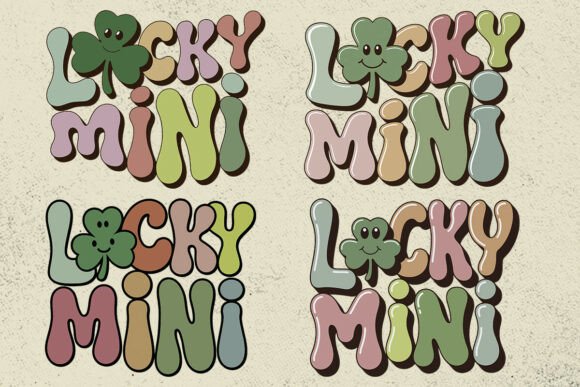
The moment you load the file into your digitizing software, the Retro St Patricks Lucky Shamrock Mini announces itself with a distinct vibe. It avoids the cliché of overly ornate, baroque-style shamrocks that dominate the mid-March aisles of big-box stores. Instead, it leans into a simplified, vintage-inspired silhouette. The "Mini" aspect of the title is crucial here; it suggests a design intended for subtlety rather than statement-making dominance.
The visual personality is playful yet grounded. It feels like something you might have seen on a 1970s ceramic mug or a faded band t-shirt. For designers looking to create products that feel timeless rather than trendy, this mood is hard to beat. It creates an immediate sense of approachability. When I look at this design, I don't see a corporate logo; I see a handmade gift. This emotional connection is vital for Etsy sellers and small shop owners who are competing against mass-produced goods. You aren't just selling a shamrock; you are selling a feeling of cozy, retro charm.
Real-World Application: Where This Design Shines
I tested the concept of this design across several common project types to see where it truly fits. The versatility of the Retro St Patricks Lucky Shamrock Mini becomes apparent when you stop thinking of it as a standalone image and start viewing it as a component of a larger composition.
- Custom Apparel and Sweatshirts: On a heavyweight cotton sweatshirt, this design works exceptionally well placed over the heart or slightly off-center on the back. The retro aesthetic pairs beautifully with vintage-wash fabrics. It doesn't fight for attention against the texture of the fabric; instead, it complements it. For sweatshirt embroidery, the scale is perfect—large enough to be seen, small enough to remain elegant.
- Tote Bag Design and Canvas Projects: I imagined this on a natural canvas tote bag. The contrast between the sturdy fabric and the delicate lines of the shamrock creates a sophisticated look. It transforms a basic utility item into a handmade product with character. This is ideal for Etsy seller listings targeting students or eco-conscious consumers.
- Baby Embroidery and Nursery Decor: Because the design is labeled "Mini," it scales down beautifully. On baby onesies or burp cloths, the smaller footprint prevents the stitching from overwhelming the garment. It adds a touch of whimsy without being garish. Parents love subtle details, and this design delivers exactly that.
- Kitchen Towels and Aprons: For the home cook, this design brings a festive touch to St. Patrick's Day gatherings. On a linen apron or a tea towel, the retro theme feels at home in a farmhouse kitchen setting. It elevates a simple kitchen towel into a thoughtful personalized gift.
Technical Performance and Stitch Clarity
From a technical standpoint, the success of any machine embroidery design lies in its balance of fill stitches and satin edges. While I cannot verify the exact stitch count without the source file, the visual structure of the Retro St Patricks Lucky Shamrock Mini implies a straightforward construction that should translate well to most modern embroidery machines.
The design likely relies heavily on fill stitch for the body of the shamrock, providing a solid, opaque coverage that hides the fabric underneath. This is crucial for dark fabrics where transparency can ruin the look. The edges appear to be defined by a clean satin stitch, which gives the design its crisp, retro outline. If executed correctly, this should minimize puckering, especially on medium-weight fabrics.
However, clarity is key. If the design includes tiny internal details, they may get lost in the weave of textured fabrics like denim or fleece. For best results, use smooth fabrics such as cotton, polyester blends, or felt. The thread colors will play a massive role here; bright greens against light backgrounds will pop, while muted greens on dark fabrics require careful testing to ensure the shadow details remain visible.
Where to Use With Caution
No design is universal, and the Retro St Patricks Lucky Shamrock Mini has limitations that every serious embroiderer must respect.
- Small Hoop Sizes: Do not attempt to stitch this on a hoop smaller than 4x4 inches unless you have verified the digitization allows for it. Cramping a design that was meant to breathe will result in overlapping threads and a muddy appearance.
- Stretchy Fabrics: While it can work on knitwear, you must use a high-quality stabilizer. Stretchy fabrics like jersey or spandex blends can distort the shape of the shamrock if the tension is not perfectly calibrated.
- Curved Surfaces: Attempting to stitch this directly onto a curved cap front can be risky. The flat nature of the design may not follow the curve of the hat naturally, leading to gaps or tension issues. It is better suited for flat panels or patches that are later applied.
- Dense Stitch Areas: If the design uses heavy density to achieve its retro look, it may become stiff. For items that need to remain soft, like baby clothes, test the hand-feel before committing to a large production run.
Strategic Value for Creators and Sellers
For those of us building a craft business, the value of a design extends beyond its aesthetics. The Retro St Patricks Lucky Shamrock Mini offers high commercial potential because it taps into a seasonal wave without being overly aggressive. It is perfect for holiday embroidery collections that need a filler piece that still holds its own.
It also serves as excellent design assets for creating mockups. Even if you do not embroider it yourself, having this vector or raster file allows you to create realistic previews for customers. A well-executed printable mockup showing this design on a popular sweatshirt brand can drive significant engagement on social media platforms.
Furthermore, its simplicity makes it highly adaptable. You can combine it with other elements—perhaps adding a small banner or a complementary retro font—to create unique variations. This flexibility increases the perceived value of your digital embroidery file offerings, allowing you to bundle it with other designs for higher-tier pricing.
Final Verdict and Practical Tips
The Retro St Patricks Lucky Shamrock Mini is a solid addition to any designer’s library, provided you understand its strengths and weaknesses. It excels in projects that prioritize charm and simplicity over complexity. It is safe, stylish, and commercially viable.
Before you upload this to your shop or start stitching for clients, remember these essential steps:
- Test on Scrap Fabric: Always run a test stitch on the actual fabric you plan to use. Check for color bleeding and fabric distortion.
- Check Licensing: Ensure you have the right to sell finished items made from this Graphics category product. Commercial rights vary, and protecting your small shop product line is paramount.
- Inspect Details: Zoom in on the digital file. Are there any jagged edges or unclear vectors? Clean source files lead to cleaner embroidery.
- Verify Hoop Size: Confirm that the design fits within your standard hoops to avoid unnecessary trimming and re-hooping.
In conclusion, if you are looking for a reliable, aesthetically pleasing design that captures the spirit of St. Patrick's Day without shouting for attention, this mini shamrock is a wise investment. It respects the craft, appeals to the customer, and stands up to the rigors of real-world use. Just remember: the magic is in the preparation, not just the pixel.