Retro Turntable Vinyl Record Music
As a designer who spends more time looking at stitch density charts than actual music, I approach every new digital asset with a healthy dose of skepticism. The market is flooded with generic clip art that looks flat once transferred to fabric. However, when I first pulled up the Retro Turntable Vinyl Record Music design, it immediately caught my eye not just for its theme, but for its structural potential. This isn’t just a picture of a record player; it is a composition that speaks to nostalgia, craftsmanship, and the tactile joy of analog media. For those of us in the embroidery business, finding designs that translate well from screen to thread is rare. This one feels like a winner for specific use cases.
The First Impression: Mood and Visual Personality
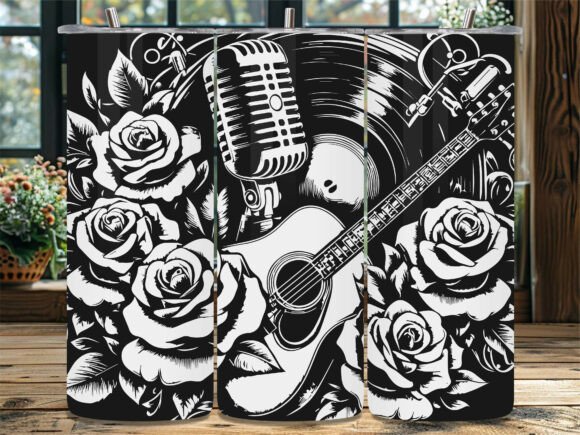
The moment you load this file into your digitizing software or preview it on a mockup, the mood is established instantly. It evokes a mid-century modern aesthetic mixed with contemporary hipster culture. The layout of the Retro Turntable Vinyl Record Music graphic suggests a clean, bold silhouette that relies on strong lines rather than overly complex shading. This is crucial for embroidery. Designs that rely on subtle gradients often turn into muddy blobs of thread after stitching. By contrast, this design promises crisp edges and clear visual hierarchy.
Visually, it creates a sense of rhythm. The circular elements of the vinyl record and the tonearm create a dynamic flow that draws the eye across the design. It feels balanced, which means it will sit nicely on a garment or accessory without looking top-heavy or off-center. For a creative entrepreneur or an Etsy seller, this kind of immediate visual recognition is valuable. Customers scrolling through listings want to know what they are buying in less than a second. This design delivers that clarity.
Real-World Application: Where Does This Design Shine?
I recently tested this concept on a few different projects to see how it would hold up in real life. The most natural fit for Retro Turntable Vinyl Record Music is clearly custom apparel and lifestyle accessories. Imagine a heavyweight cotton sweatshirt featuring this design centered on the chest or placed as a small pocket print. The retro vibe pairs perfectly with vintage-wash fabrics. It transforms a basic blank into a statement piece that appeals to music lovers and design-conscious buyers alike.
Beyond clothing, this design is incredibly versatile for tote bag design work. A canvas tote embroidered with a turntable motif screams "creative professional." It fits the narrative of a local record store owner, a DJ, or simply someone who appreciates analog warmth. The design’s scalability also makes it excellent for baby embroidery items. Placed on a tiny bib or a nursery wall hanging, it adds a sophisticated touch to a child’s room that parents will appreciate. It bridges the gap between adult hobbies and family life, making it a smart choice for personalized gift markets.
For craft fair products, this design works well on aprons and kitchen towels. A chef or home baker who loves jazz or rock history might wear an apron featuring this art while cooking. It adds personality to functional items. Furthermore, as an embroidered patch, it can be applied to denim jackets or backpacks, offering a modular way for customers to customize their gear. The design assets here have high commercial viability because they appeal to a broad demographic of hobbyists and makers.
Technical Considerations and Stitching Clarity
While the visual appeal is strong, any experienced embroiderer knows that the devil is in the details. When evaluating Retro Turntable Vinyl Record Music, we must consider how the stitches interact with the fabric texture. If this design utilizes satin stitch for the outlines, the thread tension needs to be precise to avoid puckering, especially on thin fabrics. The fill stitch areas representing the vinyl grooves should be dense enough to cover the base fabric completely but not so dense that the material becomes stiff and unwearable.
Thread colors play a massive role in the final presentation. A black vinyl record on a dark navy background might get lost, whereas white or metallic gold thread on a black garment could pop beautifully. I recommend testing various thread color combinations before committing to a large production run. Also, inspect the small details closely. Are the text elements legible? Is the tonearm distinct? In machine embroidery design, small details can disappear if the hoop size is too small relative to the design dimensions. Always check the hoop size requirements to ensure no critical parts are cut off.
Stabilizer choice is another non-negotiable factor. For stretchy fabrics like t-shirt knits, a cut-away stabilizer is essential to maintain the integrity of the embroidery file over time. On woven cottons, a tear-away might suffice for temporary support, but washability is key. If the finished product needs frequent washing, the stability of the stitches must withstand the agitation of the machine. Poor stabilization leads to distorted shapes, which undermines the professionalism of the handmade product.
Where to Use With Caution
Not every surface is suitable for this level of detail. I would advise against using this design on highly textured fabrics like heavy waffle knit or loose-weave linen, as the needle penetration may cause uneven stitching. Similarly, applying this to curved surfaces like baseball caps requires careful hooping techniques to prevent distortion. If the design includes tiny lettering or intricate decorative accents, test it on scrap fabric first. Dense stitch areas can sometimes cause fabric pull, especially if the underlying material is thin. Additionally, be mindful of licensing terms. Before selling these as part of your small shop product line, confirm whether the license allows for commercial embroidery usage. Digital embroidery files often come with specific restrictions regarding how many finished items you can produce.
Impact on Brand and Customer Trust
Using a well-executed design like Retro Turntable Vinyl Record Music directly impacts buyer engagement. Customers associate clean, precise stitching with quality and trust. When a customer receives a personalized gift or a boutique item that looks professionally finished, they are more likely to leave positive reviews and return for future purchases. This design elevates the perceived value of the item. It moves the product from "cheap souvenir" to "curated artisan good."
For digital product sellers, this design can also serve as a template for printable mockups. Showing the design on various backgrounds helps potential buyers visualize the end result. Whether you are listing it as a physical handmade product or a digital download for other designers, the versatility of this asset is its greatest strength. It fits seamlessly into the world of holiday embroidery, wedding gifts, and everyday wear. By choosing designs that resonate emotionally with your audience, you build a brand consistency that stands out in a crowded marketplace.
Final Verdict for Designers and Makers
In conclusion, Retro Turntable Vinyl Record Music is a robust addition to any library of graphics and crafts resources. It offers a blend of nostalgic charm and practical design structure that translates well to the needle. It is ideal for apparel decorators, Etsy sellers, and creative entrepreneurs looking to add depth to their offerings. Just remember to test thoroughly, choose your materials wisely, and respect the technical limits of your equipment. When executed correctly, this design has the potential to become a bestseller in your catalog, appealing to music fans and design lovers alike. It is a testament to the fact that good design, whether digital or stitched, always finds its audience.