Review: Retro USA Coquette PNG for Embroidery
As a designer who spends half my day digitizing and the other half testing stitches on scrap fabric, I don’t just look at a design file; I look at how it will behave under the needle. When Retro USA Coquette PNG landed in my inbox, my first instinct wasn’t to open it in Photoshop, but to imagine it on a hoop. The title suggests a blend of vintage Americana with a modern, playful twist, which is a specific aesthetic that can be tricky to pull off without looking cluttered or dated. After spending time analyzing the layout, potential stitch paths, and end-product viability, here is my practical assessment for anyone considering this asset for their next project.
First Impressions and Visual Personality
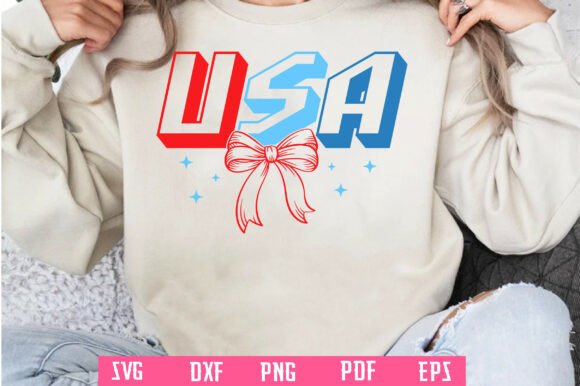
The immediate mood of Retro USA Coquette PNG is nostalgic but fresh. It captures that "coquette" trend—soft bows, delicate lines, and feminine flair—but grounds it with classic American motifs. For an embroidery designer, the challenge with mixed themes like this is balance. If the retro elements are too heavy, the coquette aspect gets lost; if the bows are too intricate, the machine might struggle with stability.
Visually, the design feels airy. It doesn’t scream for attention with massive blocks of dense fill, which is a good sign. It relies on clean shapes and distinct outlines. This makes it highly versatile. It doesn’t feel like a generic clipart image slapped onto a template; it has a curated, boutique feel. That distinction matters immensely when you are trying to build a brand identity for a small shop or an Etsy listing. Customers can often tell the difference between a mass-produced graphic and a design that was thoughtfully composed.
Real-World Application: The Custom Tote Bag Scenario
To truly evaluate any machine embroidery design, you have to put it in a real-world scenario. Let’s talk about a custom embroidered tote bag. This is a staple product for craft fairs and online sellers. Imagine taking Retro USA Coquette PNG and placing it on a sturdy canvas tote. Because the design likely features distinct lines rather than overwhelming texture, it would pop beautifully against natural beige or white canvas.
However, consider the placement. If this is intended as a large center print, you need to ensure the hoop size accommodates the full width without distortion. If the design includes smaller details, like tiny stars or fine bow strings, those areas require careful tension settings. In a busy market, a tote bag with a crisp, well-defined retro-coquette motif stands out because it looks intentional. It signals to the buyer that the maker paid attention to detail. Conversely, if the stitching is loose or the stitch density is too high for the fabric weight, the bag will pucker, and the customer will perceive the item as low-quality.
This same logic applies to sweatshirt embroidery. A hoodie is a heavier fabric, forgiving of slight puckering, but it changes the drape of the design. The retro theme fits perfectly with streetwear aesthetics, making this a strong candidate for apparel decorators looking to tap into the Y2K or vintage revival trends. It works as a chest logo or a larger back print, provided the embroidery file scales correctly without losing resolution in the finer details.
Baby Items and Nursery Decor
Another angle worth exploring is baby embroidery. The coquette element—bows, soft curves—translates very well to baby clothes, bibs, and nursery decor. Parents are often looking for items that feel both trendy and timeless. Retro USA Coquette PNG sits in that sweet spot. It isn’t overly cutesy in a childish way, nor is it starkly modern. It feels warm and inviting.
When working with baby items, safety and comfort are paramount. This means avoiding excessive bulk. If the design uses heavy fill stitch patterns, it might become too stiff for a baby’s delicate skin. Designers should review the digitization to ensure that any large solid areas are broken up with satin stitches or lighter fill patterns. A well-executed embroidered patch style application on a onesie or a blanket can add a premium touch without compromising comfort.
Where Caution Is Required
No design is perfect for every surface. There are specific situations where Retro USA Coquette PNG might present challenges. Textured fabrics, such as chenille or heavy waffle knits, can obscure the fine lines of a digital design. If the underlying fabric has a nap or weave that interferes with the needle path, the definition of the retro elements may be lost.
Similarly, stretchy fabrics require extra care. If you are embroidering on a knit cap or a fitted t-shirt, the fabric movement during stitching can cause misalignment. Always use a proper stabilizer—tear-away for light wovens, cut-away for knits—to maintain the integrity of the design. Dark fabrics also pose a contrast issue. If the design relies on thin white or pastel threads, they might get swallowed by the background unless you use a high-density underlay or a contrasting base layer.
Small hoop sizes are another constraint. If you are creating jewelry tags or small accessory patches, ensure that the smallest details in Retro USA Coquette PNG remain legible. Tiny running stitches can break easily if the thread tension is off or if the fabric is too tight. Inspect these small corners closely before committing to a production run.
Practical Designer Notes for Success
Before you upload this file to your machine, take these steps to ensure a professional result:
- Test on Scrap Fabric: Never assume a design will work on your final material. Test it on a scrap piece of the exact fabric you plan to use. This reveals issues with puckering, thread breaks, or color clashes.
- Check Thread Color Contrast: The visual appeal of Retro USA Coquette PNG depends heavily on thread choice. Run a black-and-white mockup to see if the shapes separate clearly. If the colors are too similar, the design will look muddy.
- Review Stitch Density: High density saves time but can make the fabric stiff. Ensure the digitizer balanced efficiency with wearability, especially for items that will be washed frequently.
- Confirm Licensing: As a commercial asset, verify the license terms. Are you allowed to sell finished products? Can you use it in digital mockups? Clarity here protects your business from legal issues.
- Inspect Small Details: Zoom in on the digital file. Look for overlapping paths or missing jumps that could cause thread nests. A clean design translates to a clean finish.
Final Verdict on Value and Appeal
In the crowded world of craft business assets, standing out requires more than just a pretty picture. It requires a design that holds up under scrutiny. Retro USA Coquette PNG offers a compelling mix of nostalgia and modern femininity. It has the versatility to work across multiple categories, from custom apparel to personalized gifts.
For the Etsy seller or small shop owner, this design provides a strong foundation for a cohesive product line. It feels professional and recognizable, which builds trust with buyers. Whether you are creating holiday gifts, wedding favors, or everyday carry items, this design adds a layer of polish that elevates the perceived value of your handmade products.
Ultimately, the success of Retro USA Coquette PNG lies in the execution. The file itself is a promising asset, but your skill as a decorator determines the final outcome. By paying attention to fabric choice, stabilizer selection, and tension settings, you can transform this digital graphic into a tangible, desirable finished product. It is a smart addition to your library of design assets, offering flexibility and charm for a wide range of creative projects.