Reviewing Retro Science Doodle Vector Set for Embroidery
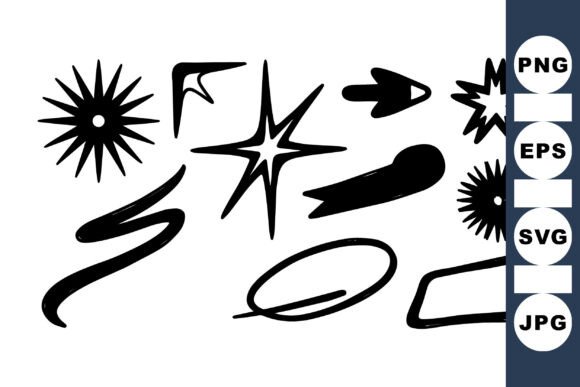
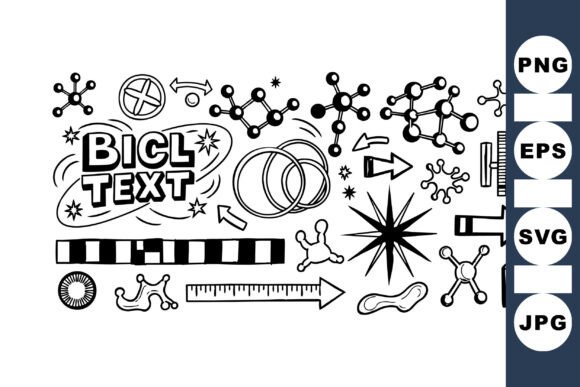
As a designer who spends half my day staring at stitch charts and the other half worrying about thread tension, I approach every new asset with a healthy dose of skepticism. The market is flooded with "cute" vectors that look charming on a screen but turn into muddy, unrecognizable blobs once they hit the hoop. That is why I took a close look at the Retro Science Doodle Vector Set. It claims to offer black and white hand-drawn sketches of molecular structures, arrows, and decorative elements with a bold text placeholder, all in a minimal graphic style. But does it hold up when you are actually trying to sell a finished product or create a custom gift?
The First Impression: Mood and Visual Personality
When you first load this design file, the aesthetic is immediately clear. It taps into that specific niche of retro-academic charm that has been trending heavily in small business circles lately. The black and white line work feels organic rather than rigidly geometric. This is crucial for embroidery because perfectly straight vector lines can sometimes look too digital if not translated well into stitches. Here, the hand-drawn quality gives the machine embroidery a slight wobble that mimics human craftsmanship, which adds value to the handmade product.
The inclusion of molecular structures and arrows suggests an educational or scientific theme, but the doodle style softens it. It doesn't feel like a textbook illustration; it feels like something you might find sketched in the margin of a favorite notebook. This makes it versatile. It works just as well for a quirky science teacher gift as it does for a modern nursery decor piece or a trendy tote bag design for a university student.
Real-World Application: Where Does This Fit?
I put this design through its paces by imagining it on several different custom apparel and accessory items. The best use case I found was on a heavy cotton canvas tote bag. The high contrast of the black lines against a natural or off-white fabric allows the details of the molecular bonds to pop without getting lost. For an Etsy seller, this is a goldmine. You can easily create a series: one bag with a single molecule, another with a cluster of arrows, and a third featuring the bold text placeholder customized with a recipient's name or a funny science pun.
It also translates beautifully to sweatshirt embroidery. Imagine a crewneck sweatshirt with the design placed over the heart. The minimal graphic style ensures it doesn't overwhelm the garment. However, I would avoid placing dense clusters of these doodles on thin fabrics. The weight of the threads, even in a minimal design, can cause puckering if the fabric isn't substantial enough. A sturdy denim jacket or a thick kitchen towel would be excellent candidates here.
For baby embroidery, this set offers a unique alternative to the usual animals and clouds. A onesie with a simple, clean molecular structure or a playful arrow motif feels modern and gender-neutral. Parents who appreciate STEM fields often look for gifts that reflect their interests, and this embroidery project hits that mark perfectly without being overly literal.
Technical Considerations and Stitch Clarity
Let’s talk about the mechanics. Since this is a vector set converted for embroidery, the clarity of the lines depends heavily on your digitization or how you interpret the shapes in your software. The Retro Science Doodle Vector Set relies on outlines and negative space. If you are using this as a reference for creating your own machine embroidery design, you need to be careful with stitch density.
Molecular structures often involve many intersecting lines. If you fill these with solid satin stitches, you risk creating a stiff, plastic-like patch that loses the delicate "sketch" vibe. Instead, consider using a combination of running stitch for the thinner lines and light fill stitch or backstitch for emphasis. This preserves the airy, doodle feel. If you are using pre-made files, check that the hoop size matches your intended product. A design meant for a 4x4 inch hoop will look cramped on a large apron front, while one meant for a 5x7 inch area might lack detail if scaled down too much for a cap.
Thread color choice is paramount. While the vector is black and white, your thread palette should enhance the mood. Black thread on white fabric is classic but can look harsh. Navy blue on cream, or charcoal gray on heather gray, can soften the look and make the finished product feel more premium and less like a school supply label. Always test your thread colors on scrap fabric that matches the texture of your final item. Fabric texture changes how light hits the stitches, and a smooth polyester might hide the hand-drawn imperfections that give this design its character.
Where to Be Careful
There are specific scenarios where this design might struggle. Avoid using it on highly textured fabrics like chunky knits or bouclé. The uneven surface will disrupt the precision of the molecular bonds, making them look jagged and unintentional. Similarly, be cautious with stretchy fabrics like spandex blends unless you are using a very stable tear-away stabilizer. The pull of the threads could distort the shape of the letters in the bold text placeholder.
Also, pay attention to tiny details. If the original vector includes very fine cross-hatching or tiny dots within the molecular structures, ensure your machine can handle the resolution. On a dark fabric, small details can get lost if the thread color isn't contrasting enough. In these cases, a lighter thread color might be necessary, even if it deviates from the traditional black-and-white aesthetic.
Commercial Viability and Brand Consistency
For those running a craft business or selling on platforms like Etsy, consistency is key. This set provides a cohesive visual language. Because all elements—arrows, molecules, and decorative bits—share the same hand-drawn stroke width and style, you can mix and match them freely. This allows you to create variations quickly. You can take the same core molecule and add different arrows or text placeholders to create multiple listings from one asset. This efficiency is vital for digital product sellers or those producing small shop products in bulk.
The design also lends itself well to branding. A boutique clothing brand could use the molecular structure as a subtle logo element on a neck tag or inside pocket. An educational workshop could use the arrows and text placeholder for branded aprons. The professionalism of the minimal style ensures that these applications don't look amateurish. It strikes a balance between whimsical and serious, which appeals to a wide demographic.
Practical Tips for Success
- Test on Scrap: Never assume a vector will translate perfectly. Run a test stitch on the actual fabric you plan to use.
- Check Contrast: Ensure there is enough difference between the thread and the fabric for the details to remain visible.
- Stabilize Properly: Use the right type of stabilizer (cut-away for stretchy items, tear-away for wovens) to prevent distortion.
- Verify Licensing: Before selling any commercial embroidery items, double-check the license terms of the vector set. Some allow commercial use of the physical product but restrict reselling the digital file itself.
- Mockup First: Create a printable mockup or a digital preview to show customers how the design looks on different garments before committing to production.
Ultimately, the Retro Science Doodle Vector Set is a strong contender for designers looking to add a touch of intellectual whimsy to their repertoire. It is not just a collection of shapes; it is a mood board ready to be stitched. By paying attention to fabric choice, stitch density, and thread contrast, you can transform these simple black and white sketches into high-value personalized gifts and standout decorative accents that resonate with buyers who appreciate both style and substance.