Vintage Movie Ticket Clipart SVG Review
As a designer who spends half my life in the embroidery hoop and the other half trying to sell what comes out of it, I have developed a fairly strict filter for new assets. The market is flooded with generic clipart that looks beautiful on a screen but falls apart under the needle. When I first pulled up Vintage Movie Ticket Clipart SVG, I wasn't looking for just another decorative element; I was looking for something with enough structural integrity to work as a standalone statement piece or a cohesive part of a larger retro-themed collection.
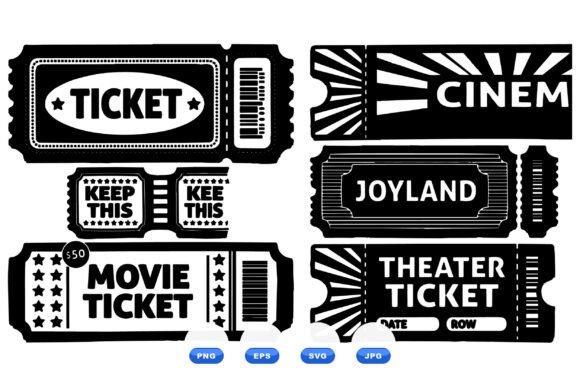
This design caught my attention immediately because of its specific aesthetic direction. It isn’t trying to be modern or minimalist. Instead, it leans heavily into that nostalgic, mid-century cinema vibe. The bold typography paired with perforated edges gives it a tactile quality even before you stitch it. For any craft business owner looking to tap into the vintage trend without getting lost in the sea of floral patterns, this graphics asset offers a distinct visual personality. But does it translate well from vector to thread? Let’s break down how this embroidery project holds up in real-world application.
The First Impression: Mood and Visual Weight
The immediate strength of this machine embroidery design lies in its clarity. Vintage movie tickets are inherently graphic shapes—they rely on clean lines, high contrast, and legible text. In the world of embroidery file creation, graphic shapes can sometimes be tricky if the details are too fine, but this design seems built for impact. The perforated edges provide natural negative space, which is a designer’s best friend when dealing with stitch density. It allows the fabric to breathe rather than creating a heavy, stiff block of thread.
Mood-wise, it screams classic Hollywood. It evokes feelings of date nights, popcorn, and timeless entertainment. This makes it incredibly versatile for seasonal projects. While we often think of holidays like Christmas or Halloween, there is a massive, underserved market for "retro" decor that works year-round. Whether you are making a personalized gift for a film buff or creating merchandise for a local theater group, the emotional connection is instant. The black and white nature of the original concept also means you aren’t locked into a specific color palette, giving you creative freedom with your thread colors.
Real-World Application: Where Does It Shine?
I’ve been thinking about where this embroidery design would actually sell. If I were prepping my shop for an upcoming craft fair, I wouldn’t just put this on a plain white t-shirt. That’s too safe. Here is where I see this design winning:
- Tote Bags: A canvas tote embroidered with this ticket design feels like something you’d buy at a boutique cinema lobby. It’s practical, stylish, and fits the theme perfectly. Use a dark navy or olive green bag to make the white threads pop.
- Sweatshirt Embroidery: For those chilly autumn evenings, a crewneck sweatshirt featuring this ticket on the chest pocket area adds a subtle touch of personality. It’s not loud, but it’s recognizable.
- Kitchen Towels and Aprons: There is a growing trend of "themed" kitchenware. A tea towel with this design could easily become a centerpiece for a retro-diner-style kitchen. It pairs beautifully with checkered fabrics.
- Embroidered Patches: Because of the defined border created by the perforated edges, this is an excellent candidate for a patch. You could stitch it onto denim jackets, backpacks, or beanies for a customizable look.
For the Etsy seller or small shop product creator, the key here is presentation. This design lends itself well to printable mockups that show the item in use. Imagine a mockup of a woman holding a coffee cup, wearing a jacket with this patch. It tells a story. It sells a lifestyle, not just a stitched image.
Technical Considerations and Stitching Challenges
Now, let’s talk about the nitty-gritty. As an experienced reviewer, I have to point out where things might go wrong. Not every surface is created equal, and this digital embroidery file has specific requirements to look its best.
First, consider the hoop size. While the design is likely scalable, ensure you are testing it within the constraints of your machine. If you are attempting this on a curved surface like a cap or hat, the flat geometry of a ticket might distort slightly. You need a stable base. Using the right stabilizer is non-negotiable here. For woven fabrics like cotton or linen, cut-away stabilizer will keep the tension consistent. For stretchy knits, you’ll need something more robust to prevent puckering.
The typography is the critical component. Bold fonts usually stitch well, but you must inspect the small details. Are there tiny serifs or intricate curves in the lettering that might merge together during stitching? I always advise designers to test their designs in black and white mode first. This strips away the distraction of colorful threads and lets you judge the actual shape and balance of the running stitch and satin stitch areas. If the letters look muddy in grayscale, they will look muddy in thread.
Another factor is fabric texture. This design will struggle on highly textured materials like chunky wool or boucle. The stitches need a relatively smooth surface to lay flat and maintain that crisp, vintage ticket look. If you are working with thin fabric, be mindful of the fill stitch coverage. Too much thread on thin material can create a bulky, uncomfortable lump. Layered garments, like a hoodie over a shirt, add another layer of complexity. The bulk needs to be managed carefully so the finished product doesn’t feel stiff.
Color Strategy and Contrast
Since the source is black and white, you have a lot of room to play with thread colors. However, contrast is king. On a dark background, white or cream threads will give you that authentic aged-paper look. On light backgrounds, black or charcoal grey provides sharp definition. Avoid low-contrast combinations, such as light grey on white, unless you are going for a very subtle, tonal effect. Remember, embroidery is a tactile medium; if it doesn’t look good from three feet away, it won’t sell well.
Final Verdict for Designers and Sellers
Vintage Movie Ticket Clipart SVG is a solid addition to any library focused on retro or event-based themes. It is not just a decoration; it is a narrative device. It works exceptionally well for custom apparel, holiday embroidery (think Valentine’s Day date night gifts), and commercial embroidery projects for theaters or cinemas.
Before you commit to mass production or list it as a design asset, do your due diligence. Test the design on scrap fabric. Check the licensing terms to ensure you are allowed to sell the finished physical items. Confirm whether the file includes necessary digitizing instructions for optimal performance. If you treat this design with the respect it deserves—by choosing the right fabric, stabilizer, and thread—you will create a finished product that feels professional, nostalgic, and highly desirable.
For the creative entrepreneur who understands that details matter, this design offers a straightforward path to creating memorable, handmade products. It bridges the gap between digital aesthetics and physical craftsmanship effectively. Just remember: the screen is perfect, but the thread is truth. Test thoroughly, stitch confidently, and let the vintage charm do the selling.