Retro Camo Coquette Bow Sublimation Review
As a designer who spends more time looking at stitch lines than actual fabric, I approach every new embroidery file with a mix of skepticism and curiosity. The market is saturated with "cute" designs, but few manage to balance aesthetic appeal with technical viability. That is why I decided to put the Retro Camo Coquette Bow Sublimation Design through its paces. This isn't just about how it looks on a screen; it is about how it translates into a tangible, sellable handmade product. If you are an Etsy seller, a small shop product creator, or a crafter looking to elevate your custom apparel, this review breaks down exactly where this design fits in your workflow.
First Impressions: The Aesthetic Clash
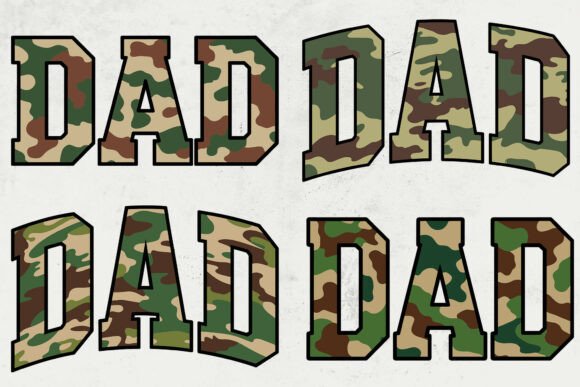
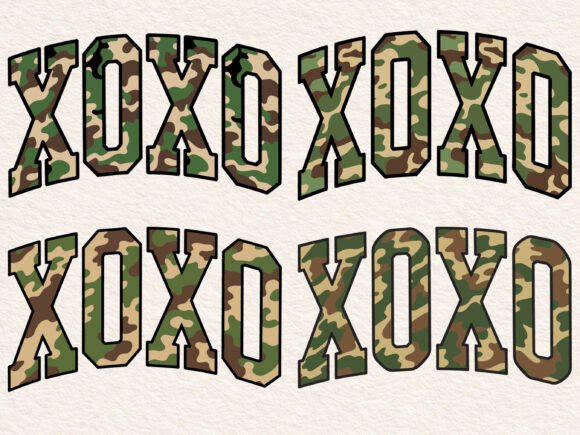
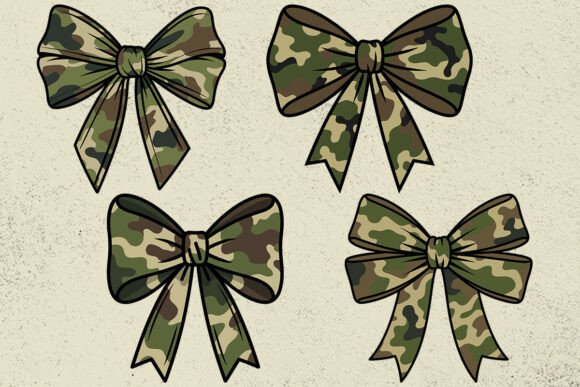
The moment you open the digital assets for the Retro Camo Coquette Bow Sublimation Design, you are hit with a specific mood. It is a collision of two distinct visual languages: the rugged, utilitarian nature of camouflage and the delicate, hyper-feminine allure of the coquette bow. In the world of Graphics and Crafts, this juxtaposition is powerful. It feels fresh, not because it is entirely new, but because the execution feels intentional rather than accidental.
Visually, the design relies heavily on the contrast between the busy pattern of the camo and the smooth, sweeping curves of the bow. For an embroidery designer, this is a double-edged sword. On one hand, the bold shapes make for excellent recognition. On the other hand, the intricate details within the camo print require careful consideration of stitch density. When I first looked at the layout, I imagined this immediately on a soft, oversized sweatshirt or a structured tote bag. The vibe is nostalgic yet trendy, tapping into current fashion movements that blend streetwear with feminine accents. It has the potential to be a standout piece in any craft business inventory.
Real-World Application: Where Does It Shine?
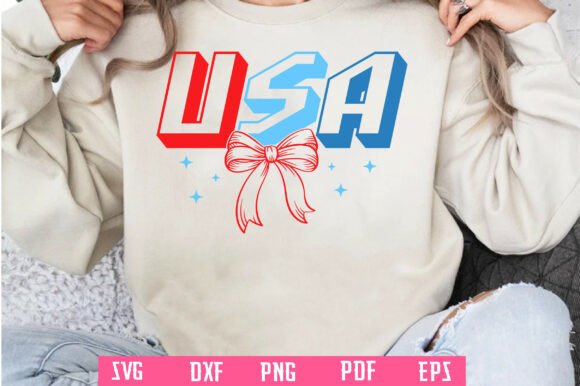
I don’t believe in using a design until I can visualize it on a finished item. So, let’s talk about real scenarios. Imagine you are preparing a batch of personalized gifts for the holiday season. You have a stack of neutral-colored canvas totes and some plush fleece blankets. The Retro Camo Coquette Bow Sublimation Design pops beautifully against these backgrounds. Because the design is essentially a tote bag design ready for customization, it offers high perceived value. Customers love items that feel curated and unique.
This design also excels as a sweatshirt embroidery accent. Placing a smaller version of the bow on the chest area, while leaving the rest of the garment clean, creates a sophisticated look. It works particularly well for baby embroidery projects as well. Think of a onesie or a burp cloth where the bold camo provides a fun, gender-neutral base, and the bow adds that touch of sweetness parents love. It bridges the gap between commercial embroidery mass appeal and the personal touch of a personalized gift.
Furthermore, for those selling design assets or creating printable mockups, this image is gold. It is versatile enough to be used in digital product previews without feeling cluttered. The strong central focus allows buyers to imagine their own branding around it. Whether you are decorating aprons for a culinary workshop or adding flair to kitchen towels, the design holds up under scrutiny. It suggests a brand that understands trends but respects craftsmanship.
Technical Considerations and Potential Pitfalls
However, no design is perfect, and as a reviewer, my job is to point out where things might go wrong. The Retro Camo Coquette Bow Sublimation Design requires respect for its technical limitations. First and foremost, you must consider the hoop size. If you attempt to scale this down too much, you risk losing the integrity of the camo pattern. Tiny dots and lines can merge into a muddy gray mess if the stitch density is too high for the chosen fabric.
I strongly advise testing this on scrap fabric before committing to your final product. Pay close attention to how the satin stitch edges interact with the fill stitch areas of the camo. If the transition is too abrupt, the fabric may pucker. This is especially critical when working with stretchy fabric or thin materials like jersey knits. Without proper stabilizer support, the tension from the dense fill stitches can distort the garment, ruining the professional finish.
Another area of caution is dark fabric. While the contrast might look striking on paper, in practice, dark backgrounds can swallow up lighter threads unless you use a high-quality underlay or a contrasting thread color strategy. Also, avoid placing this design on highly textured fabrics like heavy bouclé wool or rough burlap. The fine details will get lost, and the needle may struggle to penetrate consistently. For curved surfaces like caps or hats, ensure the design is digitized specifically for curvature, or it will look distorted once stitched.
Thread Color and Fabric Texture
The success of this project hinges on your choice of thread colors. The retro aspect of the camo suggests earth tones—olive, tan, brown, or muted green. Pairing these with a pastel pink or white bow creates the classic coquette contrast. However, if you choose neon threads, you might clash with the vintage vibe. Always inspect small details by viewing your design in black and white mockups. This helps you verify that there is enough contrast between the different elements of the design to remain legible after stitching.
Final Verdict for Makers and Sellers
In conclusion, the Retro Camo Coquette Bow Sublimation Design is a strong contender for anyone looking to add variety to their embroidery project library. It is not just another generic bow; it carries a narrative that resonates with modern consumers. For the creative entrepreneur, it offers a way to tap into multiple niches—from military appreciation to feminine fashion—without needing separate design files.
Before you buy or download, remember to check the licensing terms. Ensure you are cleared for commercial embroidery if you plan to sell finished items. Confirm the file formats match your machine’s capabilities. And most importantly, treat it as a tool for creation, not just a decoration. Use it to build a cohesive brand identity, whether that is through matching sets of applique design elements or consistent decorative accents across your product line.
If you are willing to invest the time in testing stabilizers and thread choices, this design will reward you with a finished product that feels premium, thoughtful, and highly desirable. It is a testament to the fact that good design is not just about what you see, but how it performs when the needle starts moving. For the right maker, this is a winning addition to their arsenal of machine embroidery design assets.