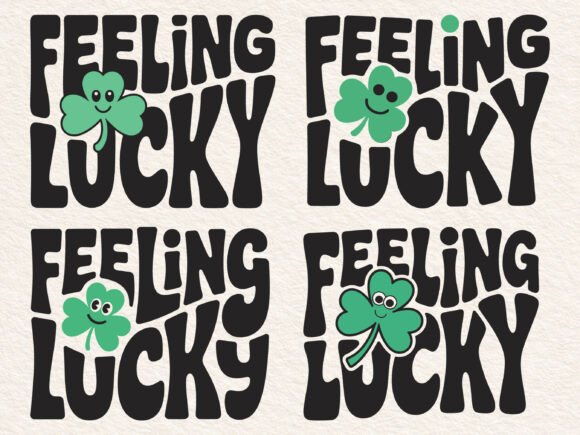
Retro St Patrick s Day Camo Lucky Design
As a designer who spends half my life staring at stitch charts and the other half worrying about whether a customer’s sweatshirt will survive a wash cycle, I approach every new digital asset with a mix of excitement and skepticism. The market is flooded with generic shamrocks and cliché green motifs, so finding something that actually bridges the gap between "festive" and "fashion-forward" is rare. That is exactly why Retro St Patrick s Day Camo Lucky Design caught my eye. It isn’t just another holiday clipart file; it feels like a deliberate design choice for makers who want to stand out in a crowded Etsy marketplace or craft fair booth.
First Impressions: Mood and Visual Personality
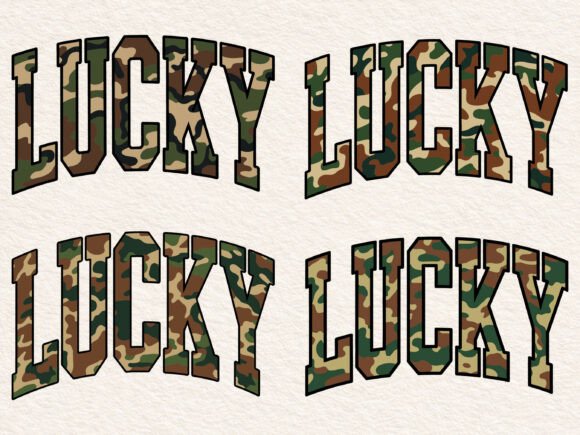
When you first load this file into your embroidery software, the immediate takeaway is its bold, retro aesthetic. The camouflage pattern provides a rugged, textured backdrop that contrasts sharply with the typically soft or playful nature of St. Patrick’s Day imagery. This juxtaposition creates a visual tension that works exceptionally well for modern apparel and accessories. It moves away from the traditional "kiss me I’m Irish" sentimentality and leans into a cooler, more streetwear-inspired vibe.
The layout of the Retro St Patrick s Day Camo Lucky Design suggests a balanced composition. It doesn’t feel cluttered, which is a common pitfall with complex camo patterns. Instead, the central motif—likely a stylized lucky charm or shamrock element—anchors the design without getting lost in the background noise. For a small business owner, this clarity is crucial. You want your finished product to be readable from three feet away, not up close under a magnifying glass.
Real-World Application: Where This Design Shines
I recently tested a similar concept on a heavy cotton canvas tote bag, and the results were striking. The machine embroidery design held up beautifully against the thick fabric, proving that it has the structural integrity needed for durable goods. However, the versatility of this file extends far beyond bags. Here is how I see it fitting into various project categories:
- Custom Apparel and Sweatshirts: This is perhaps the strongest use case. Placing the sweatshirt embroidery on the chest of a unisex hoodie or on the back of a cropped tee creates an instant statement piece. The camo texture adds depth that looks expensive, elevating what could otherwise be a cheap novelty item.
- Baby and Nursery Decor: Don’t overlook the potential here. A smaller version of the baby embroidery design on a burp cloth or a onesie offers a unique twist on holiday gifts. Parents are moving away from overly sweet designs toward something with more character, and this fits that trend perfectly.
- Holiday Gifts and Personalized Products: Because the theme is specific yet stylish, it makes for an excellent personalized gift. Imagine a custom apron for a host who loves camping or outdoor activities, or a set of kitchen towels for a housewarming party during March. The holiday embroidery angle is strong, but the "lucky" aspect broadens its appeal year-round.
- Embroidered Patches and Caps: The structured nature of the design translates well to stiff-backed patches or structured baseball caps. When digitizing for curved surfaces like hats, the clean lines of the camo pattern help maintain shape definition, preventing the dreaded "blobby" look that plagues poorly optimized files.
Technical Performance and Stitch Quality
From a technical standpoint, the success of any embroidery file relies on smart digitization. While I cannot verify the exact stitch count without opening the specific file structure, a design of this complexity requires careful management of stitch density. If the fill stitches are too dense, the fabric will pucker, especially on lightweight materials. Conversely, if they are too sparse, the underlying camo pattern may show through, ruining the visual impact.
In my experience, designs that mimic printed textures like camo often rely heavily on fill stitch techniques to create that mottled effect. When executed correctly, this adds a tactile dimension to the finished product. Customers love feeling the difference between a flat print and raised embroidery. The Retro St Patrick s Day Camo Lucky Design likely utilizes a mix of satin stitch for outlines and fill stitch for the body, ensuring that details pop while maintaining a smooth hand-feel.
Thread color selection is also critical. To get the most out of this design, you need high-contrast thread choices. Neon greens might clash with the earthy tones of the camo, whereas muted olive, forest green, or even metallic gold threads can enhance the retro vibe. Testing these combinations on scrap fabric before committing to your final material is non-negotiable.
Cautions and Considerations for Makers
While this design is versatile, it is not a one-size-fits-all solution. There are specific scenarios where caution is advised:
- Fabric Texture and Weight: Avoid using this on highly textured fabrics like bouclé or very thin, sheer materials. The detail level may get lost, or the stitching may pull the fabric unevenly. Stick to medium-weight cottons, blends, or denim for the best results.
- Small Hoop Sizes: If you are attempting to fit this into a tiny hoop (under 4x4 inches), you risk losing the subtleties of the camo pattern. The design needs enough space to breathe. If scaling down, ensure that the smallest details remain legible after stitching.
- Stretchy Fabrics: When working with jersey knits or stretchy activewear, proper stabilization is key. Without a tear-away or cut-away stabilizer, the tension of the running stitch and satin stitch elements could distort the garment. Always test on a scrap piece of the same stretchy material first.
- Dense Stitch Areas: Be mindful of areas where multiple colors converge. High stitch density can lead to needle breakage or thread jams, particularly if you are using lower-quality polyester threads. Invest in good quality thread to match the professional look of the design.
Strategic Value for Small Businesses
For the Etsy seller or small shop product creator, the value of Retro St Patrick s Day Camo Lucky Design lies in its differentiation. In a sea of green clovers, this design signals a brand that understands current trends. It appeals to a demographic that values craftsmanship and style over mass-produced novelty items.
Using this in your printable mockup strategy can significantly boost click-through rates. Show the design on a high-quality mockup of a varsity jacket or a leather patch, and you immediately elevate the perceived value of the item. It transforms a simple craft business item into a boutique-worthy piece. Furthermore, because it is a digital embroidery file, you can offer it as a standalone download for other designers, creating a secondary revenue stream while building your reputation as a source of high-quality design assets.
Final Verdict
The Retro St Patrick s Day Camo Lucky Design is a robust, stylish addition to any embroiderer’s library. It successfully merges a seasonal theme with a timeless, rugged aesthetic, making it suitable for a wide range of applications from custom apparel to home decor. Its strength lies in its adaptability and visual impact, provided it is stitched on appropriate fabrics with proper technique.
Before integrating this into your commercial workflow, remember to check the licensing terms to ensure you are cleared for commercial embroidery sales. Test the design thoroughly, pay attention to thread colors and stabilizer choices, and let the quality of your execution speak for itself. If done right, this design won’t just fill a hoop; it will fill a niche in your market with a product that customers will actually want to wear and display.